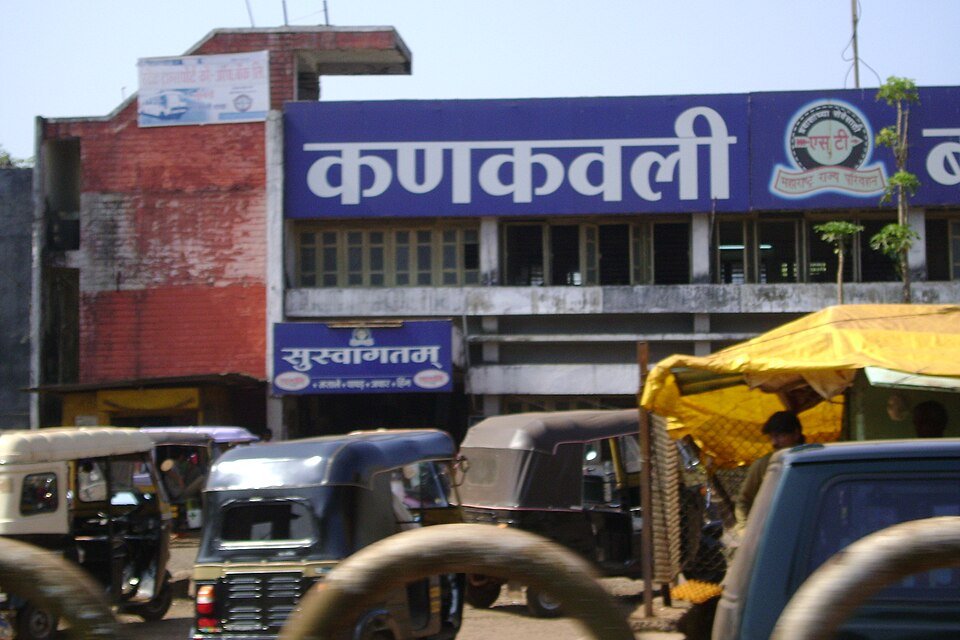
 Kankavli : 13th Nov 2026 - 15th Nov 2026
 Gadchiroli : 18th Nov 2026 - 22nd Nov 2026
 Dharampur : 21st Nov 2026
 Jalgaon : 11th Dec 2026 - 13th Dec 2026
 Silchar : 18th Dec 2026 - 20th Dec 2026
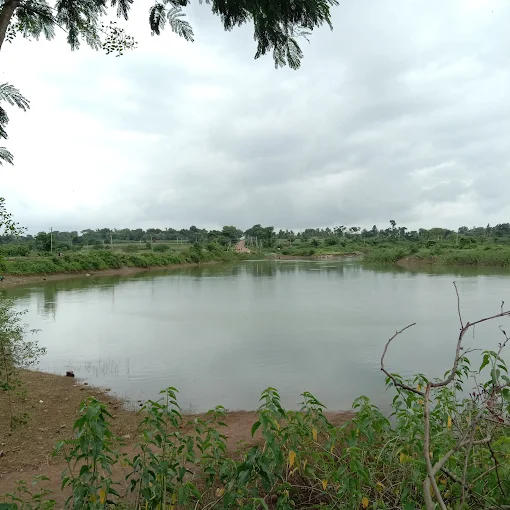 Sargur : 8th Jan 2027 - 10th Jan 2027
 Ambajogai : 15th Jan 2027 - 17th Jan 2027
 Kolhapur : 22nd Jan 2027 - 24th Jan 2027
Lower Back Pain From Standing: Causes, Relief & When to Worry
You have been on your feet since morning. Your legs are fine, but by afternoon a tight, dull ache has settled across your lower back, and it only eases when you finally sit down. If that sounds familiar, you are not alone, and the pattern of your pain can tell you a lot.
Quick answer: Lower back pain from standing is most often caused by tired back muscles and posture strain. It can also point to spinal stenosis, lumbar spondylosis, a disc problem or a pinched nerve. Pain that eases when you sit or lean forward, or that spreads into the leg, deserves a medical check.
Why does my lower back hurt when I stand?
When you stand, the muscles of your lower back work continuously to keep you upright, and your spine carries the weight of your upper body. Tired muscles, a slouched or over-arched posture, or age-related changes in the spine can all turn that load into pain.
Mild pain that settles with rest is common. Pain that keeps returning, spreads into the leg, or comes with numbness needs a closer look.
What your pain pattern may be telling you
What you notice | Possible cause | Useful clue |
Dull ache that builds through the day and fades with rest | Muscle fatigue and posture strain | Better after a break or a good night’s sleep |
Pain or heaviness when standing or walking, relieved by sitting or bending forward | Lumbar spinal stenosis | Many people feel better leaning on a trolley or counter |
Stiffness, worse after waking, usually after age 40 | Lumbar spondylosis (age-related wear) | Eases a little once you start moving |
Pain that travels to the buttock or leg, with tingling | Disc bulge or sciatica | Pain may be sharper on one side |
Belly pushed forward with a deep curve in the lower back | Hyperlordosis | Often with tight hips and a weak core |
This table is a guide, not a diagnosis. Many people have more than one cause at the same time.
Common causes of lower back pain when standing
1. Muscle fatigue and poor posture
This is the most common reason. Standing still for long periods, locking your knees, leaning on one leg or pushing your head forward keeps the same muscles working without a break. They tire, tighten and start to ache.
2. Lumbar spinal stenosis
In stenosis, the space around the spinal nerves in the lower back becomes narrow. The classic clue is pain or heaviness that appears when you stand or walk and eases when you sit down or bend forward. Read more in our guide to spinal stenosis exercises to avoid.
3. Lumbar spondylosis (age-related wear)
Over the years, discs and joints in the lower spine can wear down. This often shows up as stiffness and a dull ache that can worsen with long standing. See the symptoms of lumbar spondylosis for the early and advanced signs.
4. Disc problems and sciatica
A bulging disc can press on a nearby nerve. If your pain travels to the buttock, thigh or calf, or comes with tingling, a disc such as an L5-S1 disc bulge may be involved. You can also learn how long sciatica pain lasts.
5. Hyperlordosis
An exaggerated inward curve of the lower back puts extra compression on the spine when you stand. It is often linked with a weak core and tight hip muscles.
6. Other contributors
Extra body weight, pregnancy, weak abdominal muscles, unsupportive footwear and hard floors can all add to the load on your lower back.
Who is most at risk?
- Change position often. Shift your weight, step from side to side and avoid freezing in one posture.
- Rest one foot on a low step or stool. Alternate feet. This eases the strain on your lower back.
- Take short breaks. Sit or walk for a few minutes every 30–45 minutes if your work allows. See whether walking helps lower back pain.
- Wear supportive footwear and, if you can, stand on a softer surface or mat.
- Do gentle stretches such as pelvic tilts, knee-to-chest stretches and cat–camel. More ideas are in how to relieve back pain at home and yoga poses for back pain. Stop if pain shoots into your leg or gets worse.
- Use gentle heat for stiff muscles, and ask your doctor or pharmacist before taking any pain medicine.
If you alternate between sitting and standing at a desk, our best exercises for desk workers can help.
When to see a doctor
Get urgent medical help if back pain comes with:
- Loss of control over urine or stool
- Numbness around the groin, genitals or inner thighs
- Leg weakness that is getting worse quickly
- Fever along with severe back pain
- Severe pain after a fall, accident or injury
See a spine specialist soon if:
- Pain lasts for more than a few weeks
- Pain spreads down one or both legs
- You have tingling or numbness, such as left leg numbness
- You notice weakness in the legs
- Pain wakes you at night or makes it hard to stand or walk
Not sure who to see? Read which doctor to consult for lower back pain.
How doctors find the cause and treat it
A doctor will ask about your pain pattern and work, examine your back and legs, and check how you stand and walk. An X-ray or MRI is used when needed, especially if nerve symptoms are present.
Most people improve without surgery. Treatment can include physiotherapy, posture and activity changes, weight management and medicines. Injections may be considered if pain persists. Surgery is usually reserved for cases where other treatment has not worked or nerve symptoms are getting worse.
How to prevent back pain if you stand for work
- Keep your knees slightly soft instead of locking them
- Spread your weight evenly on both feet
- Strengthen your core and hip muscles with regular exercise
- Mix standing tasks with short walks and seated breaks
- Maintain a healthy weight
- Get checked early if the pain keeps coming back
Spine care shouldn’t depend on where you live
Many people who stand, bend and lift for a living, in fields, markets and workshops, live far from a spine specialist. They often put up with back pain until it becomes disabling. That gap is why The Spine Foundation exists.
For more than 25 years we have taken spine care to rural and underserved communities through our rural health programme and network of spine centres. Our team has also written about back pain as a rural public health problem: Bang AA, Bhojraj SY, Bang AT, Back pain and musculoskeletal pain as public health problems: Rural communities await solution, Journal of Global Health, 2021. Browse our publications.
If you or someone you know needs help, contact us or check our upcoming camps and events.
Frequently Asked Questions
Is it normal to have lower back pain after standing all day? Mild aching after long standing is common because the back muscles tire. Pain that is severe, keeps returning or comes with leg symptoms should not be ignored.
Why does my lower back hurt when I stand but feel better when I sit? Sitting takes load off the back muscles. If you have spinal stenosis, bending forward can also open up space around the nerves. If sitting or leaning forward clearly relieves your pain, tell your doctor.
Can standing for long hours damage my spine? Standing itself does not usually cause permanent damage. Staying in one position for hours can strain your muscles and aggravate conditions such as spondylosis or stenosis. Moving and changing position often helps.
Is lower back pain when standing a sign of a slipped disc? It can be, especially if the pain travels to the buttock or leg with tingling or numbness. Learn the early signs of a slipped disc. Only an examination and, if needed, a scan can confirm it.
What is the best way to stand to avoid back pain? Keep your weight even on both feet, knees slightly soft and head over your shoulders, and avoid locking your knees. Shift position often.
Key takeaways
- Tired muscles and posture strain are the most common cause of lower back pain from standing.
- Pain relieved by sitting or leaning forward can point to spinal stenosis.
- Pain that spreads into the leg, or comes with numbness or weakness, needs a medical check.
- Changing position, short breaks and gentle stretching help most people.
- Loss of bladder or bowel control, or fast-worsening leg weakness, is an emergency.
This article is for general information and does not replace medical advice. If you have persistent or worsening symptoms, please consult a qualified doctor.