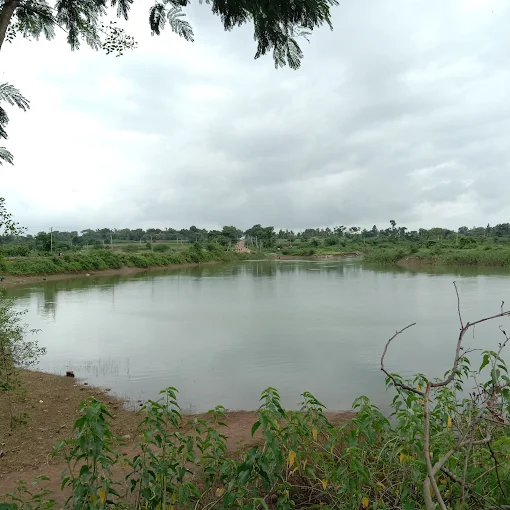
 Sargur : 2nd Sep 2026 - 4th Sep 2026
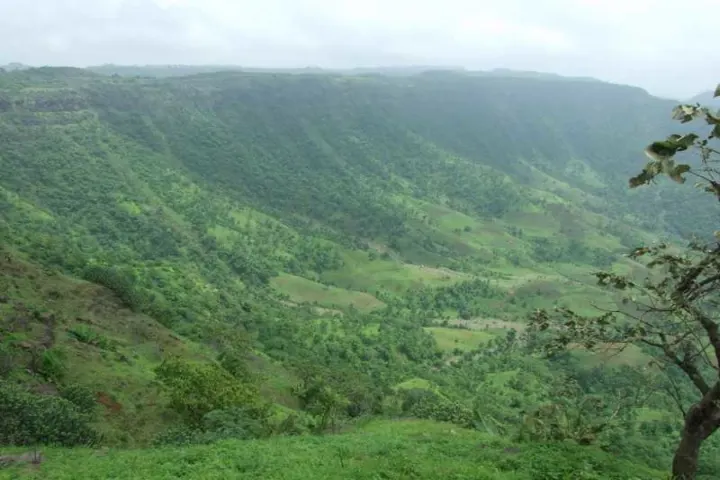 Nandurbar (Maharashtra) : 4th Sep 2026 - 6th Sep 2026
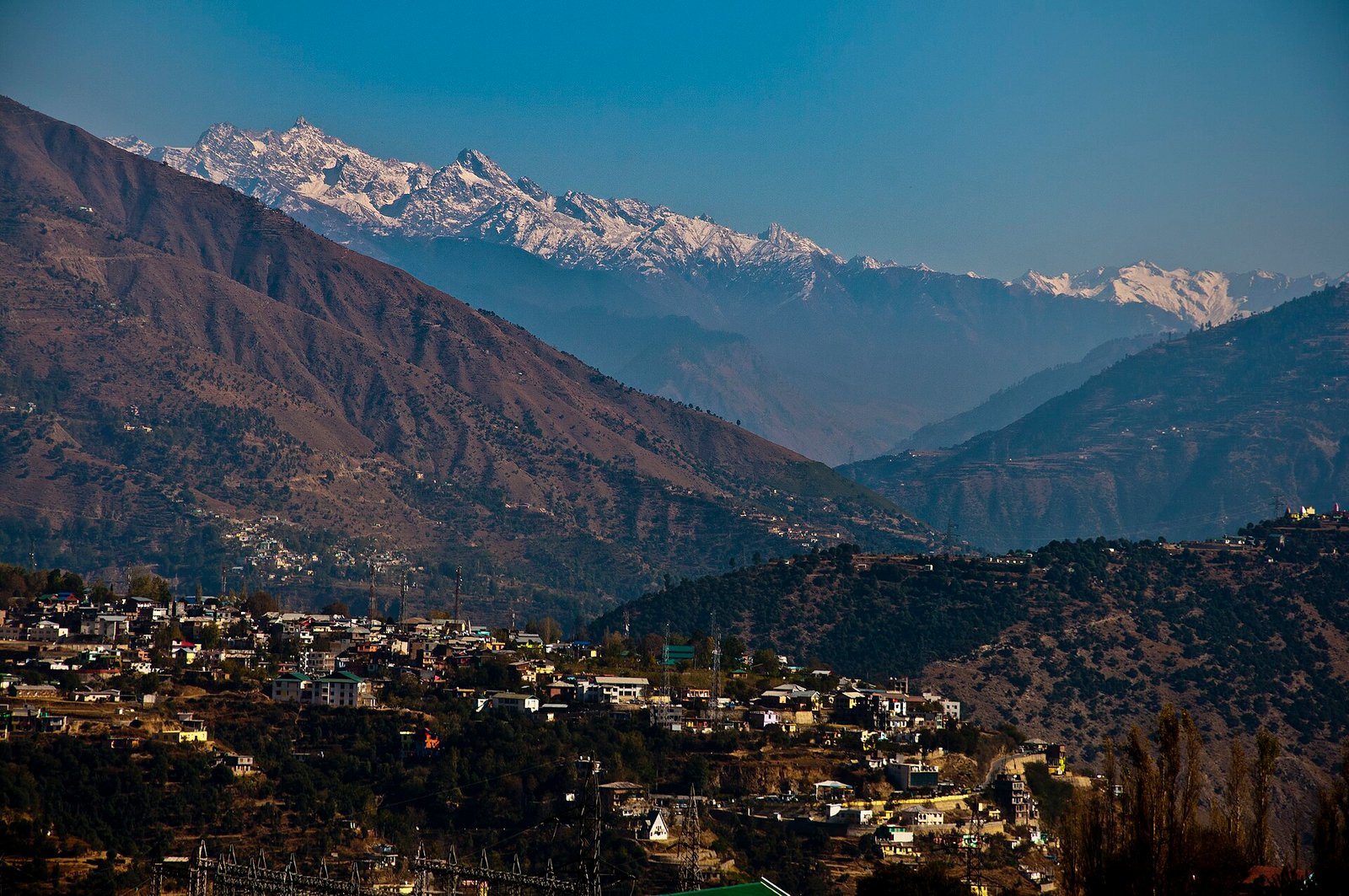 Doda (Jammu and Kashmir) : 16th Sep 2026 - 20th Sep 2026
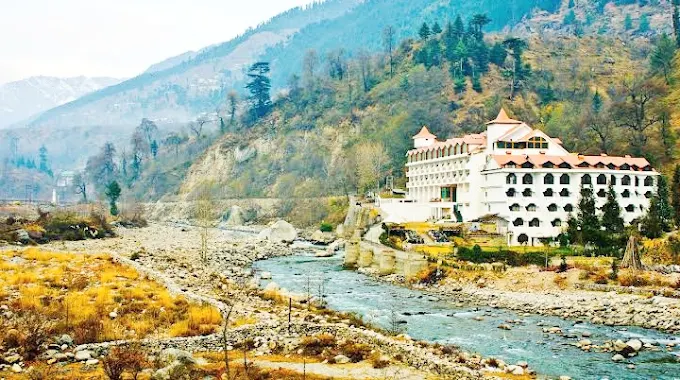 Mandi (Manali) : 25th Sep 2026 - 27th Sep 2026
 Dehradun : 2nd Oct 2026 - 4th Oct 2026
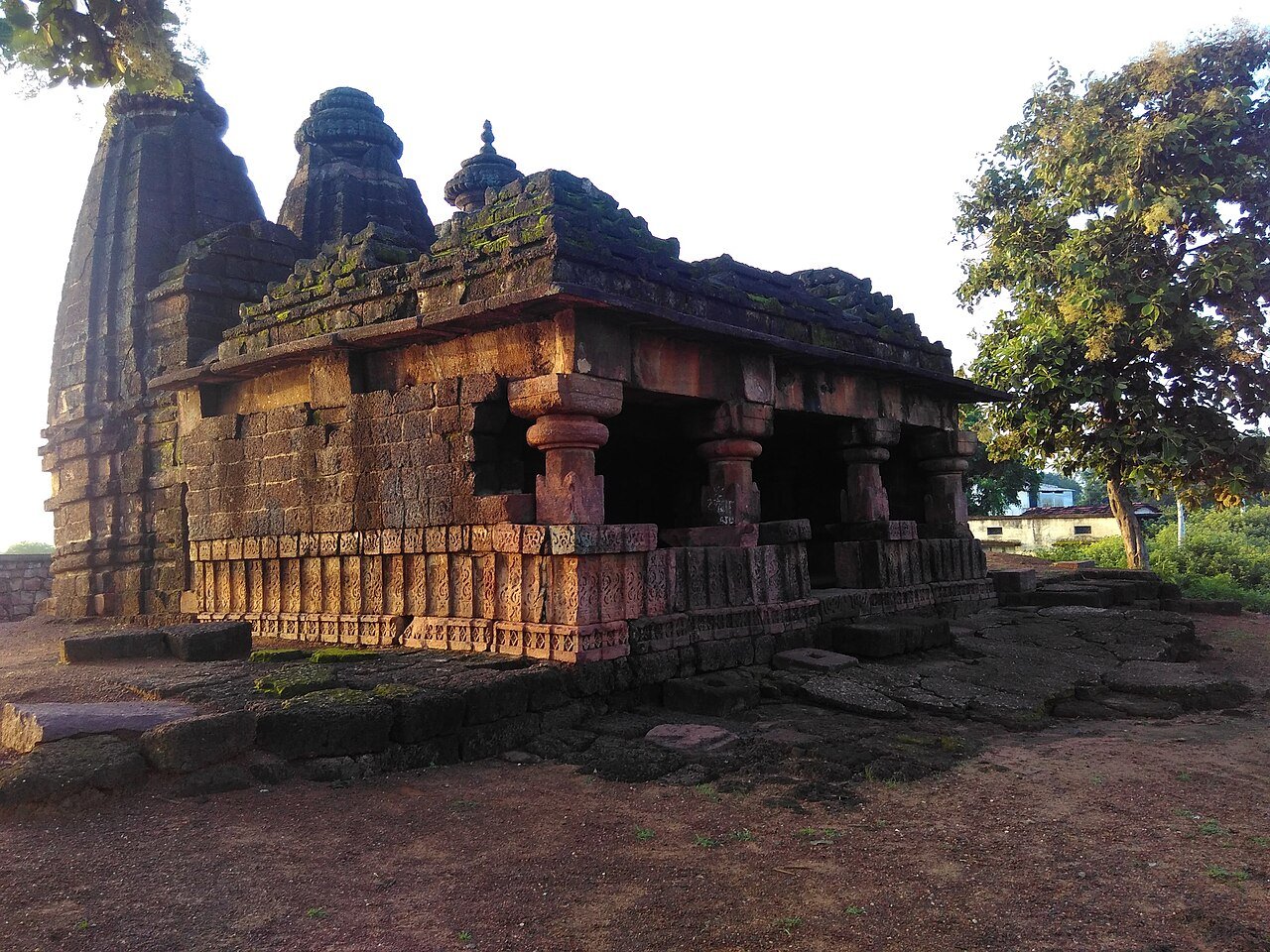 Gadchiroli : 18th Nov 2026 - 22nd Nov 2026

PHONE
9819826244 | 9892101234
LOCATION
C/o ADAPT School, 110 , 1st floor, K.C.Marg, Bandra reclamation, Near Rang Sharda Hotel, Bandra west, Mumbai – 400050.
thespinefoundation365@gmail.com
Rehabilitation Initiatives
Bridging Rural Realities with Scalable Rehabilitation Care
Musculoskeletal disorders are a leading cause of pain, disability, and loss of livelihood across India. While urban populations often access rehabilitation through clinics and hospitals, rural communities face a very different reality—one shaped by heavy physical labour, limited access to trained professionals, delayed diagnosis, and economic constraints.
At The Spine Foundation, rehabilitation is not treated as a downstream service, but as a core intervention—designed to meet people where they live, work, and struggle.
The Reality on the Ground
In rural, agrarian communities like Gadchiroli—where nearly 90% of the population is engaged in physical labour—musculoskeletal pain is widespread and often normalised. Studies and field data show that a significant proportion of adults suffer from chronic back, neck, knee, hip, and shoulder pain, leading to functional limitations and disability.
Unlike urban settings, where patients actively seek care, rural rehabilitation requires active outreach. Patients must be identified, counselled, and convinced—often while balancing daily wage loss and scepticism about the value of exercises compared to physically demanding work.

Key Challenges in Rural Rehabilitation
Rehabilitation delivery in villages faces multiple, interconnected barriers:
Free medical camps often attract individuals without genuine need, while those with serious conditions delay care.
Daily wage loss discourages patients from visiting healthcare facilities.
There is limited access to trained physiotherapists and rehabilitation professionals.
Early warning signs (“red flags”) frequently go unchecked, leading to delayed diagnosis.
Most patients seek help only at advanced stages of disability.
These realities make it clear that urban rehabilitation models cannot simply be transplanted into rural India.
Why Community-Based Rehabilitation Matters
Improve access and coverage
Enable early identification of red flags
Prevent conditions from becoming chronic or surgical
Reduce delayed presentation and disability
Lower out-of-pocket expenditure for patients
Deliver specialised opinion closer to home

The Gadchiroli Pilot: Rehabilitation in Action
Gadchiroli served as the pilot ground for developing and testing a community-based rehabilitation model in collaboration with a research-driven local ecosystem.
Camp-Based Rehabilitation Workflow
Rehabilitation camps followed a structured, multi-phase process:
Formation of a multidisciplinary team, including doctors from Mumbai
Door-to-door outreach by community health workers
Identification of common problems such as back, knee, shoulder, ankle, and hip pain
Community-wide awareness through announcements and posters
A 7-day rehabilitation camp with daily patient assessment and treatment
Continuous documentation of disability levels and outcomes
Measured Impact
Over 60% improvement in disability during the camp period
More than 50% sustained improvement at one month, assessed independently
These outcomes validated the effectiveness of early, local, structured rehabilitation.

The Multi-Filter Rehabilitation Model
To ensure accuracy, efficiency, and continuity of care, rehabilitation is delivered through a layered system:
Community Health Workers
Identify at-risk individuals and early red flags within villages.Mobile Physiotherapy Units
Travel to villages, provide basic rehabilitation, and monitor patients over several days.Local Physiotherapy Centre (Gadchiroli)
Manages more complex cases requiring ongoing care.Local Doctors (Orthopaedic Physicians)
Provide clinical oversight and escalation when needed.Specialist Consultations via Video
Enable access to tertiary expertise from Mumbai without unnecessary travel.

Building Sustainability: Training Local Capacity
Recognising that long-term impact depends on local ownership, The Spine Foundation has proposed a Physiotherapy Assistant (PTA) model:
Rural youth (11th–12th grade pass-outs) are trained to deliver basic rehabilitation care
PTAs are equipped to identify red flags, conduct basic assessments, and provide initial management
Each PTA works under supervision from qualified physiotherapists or doctors
Ongoing support includes regular on-site visits, tele-consultations, and refresher training
This approach not only strengthens healthcare delivery but also creates livelihood opportunities within the community.

Strategic Pillars of the Rehabilitation Model
The rehabilitation initiative is anchored in four core principles:
Making resources available by mobilising equipment, expertise, and documentation systems
Utilising the local population to build trust, continuity, and follow-up
Targeting disability, not just pain, using outcome tracking to guide care
Promoting inclusivity, ensuring access across age, gender, and socioeconomic groups
What This Model Proves
Rural rehabilitation must be preventive, adaptive, and community-driven
Early identification and layered care significantly reduce disability
Skills cannot always be replicated—but people can be trained to adapt them
Sustainable rehabilitation requires systems, not one-time camps

Bridging Rural Realities with Scalable Rehabilitation Care
Musculoskeletal disorders are a leading cause of pain, disability, and loss of livelihood across India. While urban populations often access rehabilitation through clinics and hospitals, rural communities face a very different reality—one shaped by heavy physical labour, limited access to trained professionals, delayed diagnosis, and economic constraints.
At The Spine Foundation, rehabilitation is not treated as a downstream service, but as a core intervention—designed to meet people where they live, work, and struggle.
Active Spine Centres

GADCHIROLI
A district in eastern Maharashtra, known for its dense forests, rich tribal culture, and abundant natural resources.

MUMBAI
India’s financial capital, known for its seafront skyline, historic architecture, vibrant arts scene, and unmatched cultural diversity.

GOA
India’s coastal paradise, famous for its golden beaches, vibrant nightlife, Portuguese heritage, and laid-back tropical charm.

AMBAJOGAI
A culturally rich town in Maharashtra, famous for its ancient temples, caves, and heritage linked to Sant Muktabai.

SITTILINGI
A remote valley in Tamil Nadu’s Dharmapuri district, known for its organic farming community, tribal culture, and quiet rural landscapes.

NANDURBAR
A tribal-dominated district in northwestern Maharashtra, known for its rugged landscapes, Tapi river belt, and vibrant Adivasi culture.

DHARAMPUR
a scenic hill town near Valsad, known as the gateway to Saputara and surrounded by lush forests.

KOLHAPUR
A historic city in southern Maharashtra, known for its grand temples, spicy Kolhapuri cuisine, traditional chappals, and rich Maratha heritage.

DEHRADUN
The picturesque capital of Uttarakhand, nestled in the Doon Valley, known for its scenic beauty and gateway to hill stations like Mussoorie.

BIJAPUR
A heritage city in Karnataka, famous for its Indo-Islamic architecture, especially the iconic Gol Gumbaz with the world’s second-largest dome.

JALGAON
A north Maharashtra district known for its banana plantations, hot climate, and trade-friendly urban centres.

PURULIA
A district in West Bengal’s western highlands, known for its rolling hills, tribal traditions, Chhau dance heritage, and serene natural beauty.

KANKAVLI
A town in Maharashtra’s Sindhudurg district, known for its Alphonso mangoes, scenic landscapes, and connectivity to the Konkan coast.

SILCHAR
A cultural hub in southern Assam, known for its tea gardens, Barak Valley heritage, and a harmonious mix of Bengali and Assamese traditions.

ANANDPUR
A spiritual village in Isagarh tehsil of Ashoknagar, Madhya Pradesh, renowned for the Anandpur Dham spiritual center

SARGUR
A small town in Karnataka’s Mysuru region, known for its proximity to wildlife reserves, agrarian landscapes, and calm rural atmosphere.

BILASPUR
A district in Chhattisgarh known for its rice belt, archaeological sites, and growing urban infrastructure.

RAIGAD
A Konkan district in Maharashtra, noted for its lush greenery, secluded beaches, and the historic Raigad Fort of Chhatrapati Shivaji Maharaj.

JAMMU & KASHMIR
A northern Himalayan region known for its dramatic landscapes, serene valleys and rich cultural heritage shaped by centuries of tradition and natural beauty.

KRISHNAGIRI
A Tamil Nadu district known for its lush orchards, granite hills, and sprawling mango farms.

MANDI
A Himachal Pradesh town set along the Beas River, known for its temples, colonial-era charm, and access to scenic Himalayan valleys.

BHACHAU
A historic town in the Kutch region, shaped by resilience and tradition, known for its vibrant culture, arid landscapes, and strong community life.

GUDALUR
A hill town at the foothills of the Nilgiris, surrounded by forests and plantations, known for its cool climate, rich biodiversity, and scenic beauty.
Dormant Spine Centres

RISHIKESH
A spiritual town in Uttarakhand, known for its yoga ashrams, sacred Ganga ghats, adventure sports, and Himalayan foothill charm.

DHULE
A city in northwestern Maharashtra, known as the “Gateway to Khandesh,” famous for its growing textile industry and strategic location on major highways.

DEHRADUN
The picturesque capital of Uttarakhand, nestled in the Doon Valley, known for its scenic beauty and gateway to hill stations like Mussoorie.

AKOLA
Akola – A historic city in Maharashtra, known as the “Cotton City” for its thriving cotton production and textile industry.

AURANGABAD
A historic city in Maharashtra, renowned for the Ajanta–Ellora caves, Bibi Ka Maqbara, and its legacy as a Mughal-era cultural hub.

RATNAGIRI
A coastal district in Maharashtra, renowned for its Alphonso mangoes, pristine beaches, historic forts, and picturesque Konkan landscapes.

SATPULI
A small Himalayan town nestled along the rivers of Garhwal, known for its quiet surroundings, forested landscapes, and role as a gateway to hill communities.

KANIGUMA
A rural settlement in southern Odisha, surrounded by forests and tribal regions, known for its community-led initiatives and access to remote interior areas.

AMRELI
A city in Gujarat, known for its diamond cutting industry and proximity to the Gir National Park, home of the Asiatic lions.

AMBIKAPUR
A major town in Chhattisgarh, surrounded by forested plateaus, known for its administrative importance, cultural heritage, and access to the tribal regions

MOUNT ABU
Rajasthan’s only hill station, famous for its cool climate, Nakki Lake, lush forests, and the intricately carved Dilwara Jain temples.