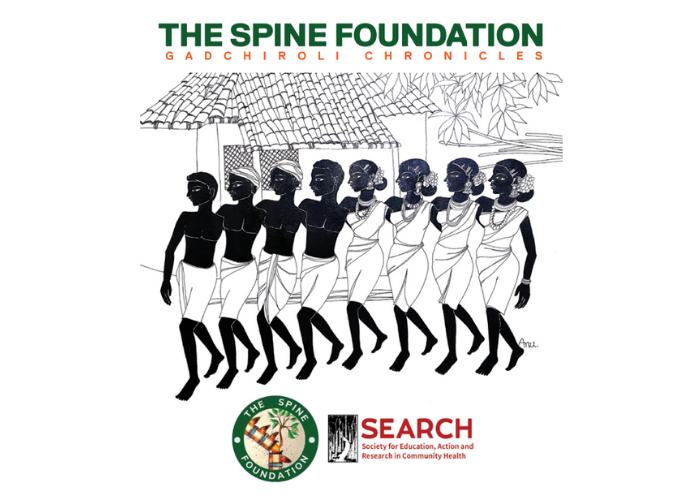
 Sargur : 2nd Sep 2026 - 4th Sep 2026
 Nandurbar (Maharashtra) : 4th Sep 2026 - 6th Sep 2026
 Doda (Jammu and Kashmir) : 16th Sep 2026 - 20th Sep 2026
 Dehradun : 2nd Oct 2026 - 4th Oct 2026
 Gadchiroli : 18th Nov 2026 - 22nd Nov 2026
Can stress cause back pain? The short answer is yes. While most people associate back pain with physical strain, injury, or poor posture, emotional and psychological stress can also play a significant role. In today’s fast-paced world, chronic stress has become common, and so has unexplained back pain.
Many patients report persistent upper or lower back discomfort even when scans show no major structural damage. In such cases, stress-related muscle tension, inflammation, and altered pain perception may be contributing factors. Understanding how stress affects the spine is essential for patients, caregivers, and working professionals who experience recurring back pain without a clear physical cause.
This article explains the connection between stress and back pain, symptoms to watch for, when to seek medical care, and practical steps to protect both mental well-being and spinal health.
What Is Stress-Related Back Pain?
Stress-related back pain refers to spinal discomfort that is triggered or worsened by emotional, psychological, or chronic mental stress.
When the body experiences stress:
- Muscles tighten automatically
- Stress hormones (like cortisol) increase
- Blood flow patterns change
- Pain sensitivity rises
Over time, continuous muscle tightening, especially in the neck, shoulders, and lower back, can lead to stiffness, spasms, and chronic pain.
The spine depends heavily on surrounding muscles for support. If these muscles remain tense for prolonged periods, they fatigue, become inflamed, and start producing pain signals.
How Does Stress Cause Back Pain?
Stress affects the body in several scientifically recognized ways:
1. Muscle Tension
When you are anxious or overwhelmed, your body activates the “fight or flight” response. This causes:
- Tight shoulders
- Clenched jaw
- Stiff neck
- Lower back muscle tightening
Persistent tension reduces flexibility and increases strain on spinal structures.
2. Increased Pain Sensitivity
Chronic stress alters how the brain processes pain. It lowers the threshold for discomfort, meaning:
- Minor aches feel more intense
- Existing back issues feel worse
3. Poor Posture During Stress
People under stress often:
- Slouch
- Sit rigidly
- Lean forward for long hours
- Skip movement breaks
Poor posture increases mechanical stress on the spine.
4. Reduced Physical Activity
Stress and fatigue reduce motivation to exercise. Lack of movement weakens core and back muscles, increasing susceptibility to pain.
5. Sleep Disturbance
Stress disrupts sleep cycles. Poor sleep:
- Prevents muscle recovery
- Increases inflammation
- Worsens chronic pain
Symptoms of Stress-Related Back Pain
Common Symptoms
- Dull aching pain in upper or lower back
- Tightness between shoulder blades
- Neck stiffness
- Muscle spasms
- Headaches along with back pain
- Pain that worsens during stressful periods
Signs It May Be Stress-Driven
- Dull aching pain in upper or lower back
- Tightness between shoulder blades
- Neck stiffness
- Muscle spasms
- Headaches along with back pain
- Pain that worsens during stressful periods
Upper Back vs Lower Back: Does Stress Affect Both?
Yes, but patterns differ.
| Area | Stress Impact |
|---|---|
| Upper Back | Shoulder tension, tight trapezius muscles |
| Neck | Cervical stiffness, tension headaches |
| Lower Back | Muscle tightness, dull ache, spasms |
Lower back pain is particularly common because lumbar muscles respond strongly to prolonged sitting and emotional strain.
Can Stress Cause Chronic Back Pain?
Yes. When stress becomes long-term:
- Muscles remain in protective tension
- Inflammation increases
- Pain processing pathways change
Over months or years, this may develop into chronic pain syndrome.
Addressing stress early reduces this risk.
Prevention: Protecting Your Spine from Stress
- Maintain regular physical activity
- Practice daily stress reduction
- Avoid prolonged sitting
- Strengthen core muscles
- Seek help for persistent anxiety
Mental health and spinal health are interconnected. Emotional well-being directly influences physical comfort.
Frequently Asked Questions
Yes. Stress causes muscle tension, increases inflammation, and heightens pain sensitivity. Over time, this can lead to persistent upper or lower back discomfort even without structural damage.
If pain worsens during emotional distress, improves with relaxation, and scans show no major issues, stress may be a contributing factor.
Yes. Anxiety activates the body’s stress response, tightening muscles in the lumbar region and increasing pain perception.
It can last days to weeks. If stress becomes chronic, pain may persist longer unless both physical and emotional factors are addressed.
Usually not structurally dangerous, but it can become chronic and affect quality of life if untreated.
Conclusion
So, can stress cause back pain? Yes, both directly and indirectly. Stress tightens muscles, alters posture, disrupts sleep, and increases pain sensitivity. Over time, this can result in persistent discomfort in the neck, upper back, or lower back.
However, the solution is not just pain medication. Managing stress, improving posture, strengthening muscles, and seeking timely medical evaluation are equally important.
The Spine Foundation emphasizes awareness, early evaluation, and holistic spine care, because spinal health is not only about bones and discs, but also about lifestyle and emotional well-being.