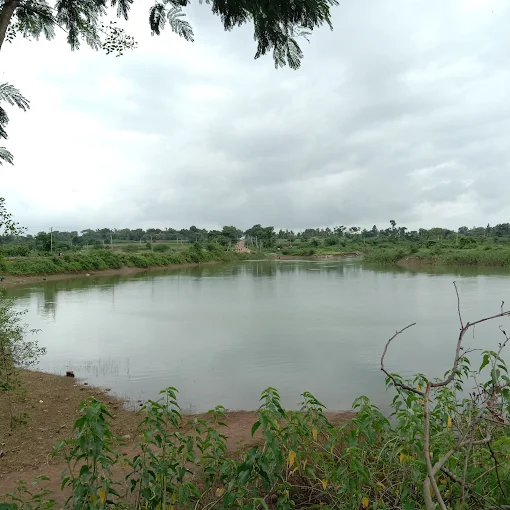
 Sargur : 2nd Sep 2026 - 4th Sep 2026
 Nandurbar (Maharashtra) : 4th Sep 2026 - 6th Sep 2026
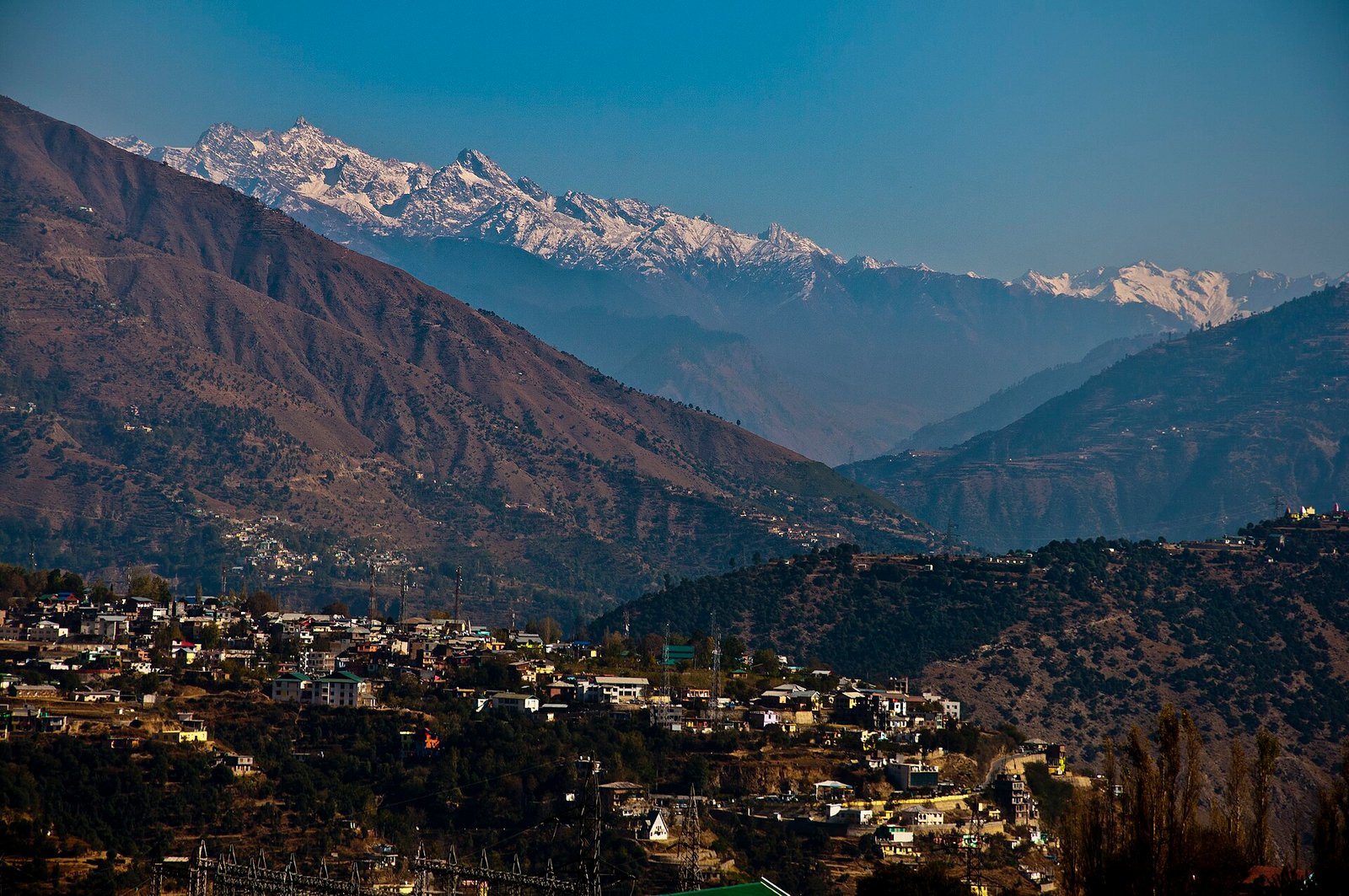 Doda (Jammu and Kashmir) : 16th Sep 2026 - 20th Sep 2026
 Mandi (Manali) : 25th Sep 2026 - 27th Sep 2026
 Dehradun : 2nd Oct 2026 - 4th Oct 2026
 Gadchiroli : 18th Nov 2026 - 22nd Nov 2026
Does a Herniated Disc Heal?
A herniated disc, sometimes called a slipped disc or bulging disc, is one of the most common spinal conditions affecting adults. It occurs when one of the soft discs between the spinal vertebrae becomes damaged and the inner gel-like material pushes outward. This can irritate nearby nerves and cause symptoms such as back pain, leg pain, numbness, or weakness.
Many people diagnosed with this condition immediately ask their doctor an important question: does a herniated disc heal on its own?
The good news is that in many cases, herniated discs can improve with time and conservative treatment. The body has natural healing mechanisms that may reduce inflammation and gradually shrink the disc bulge.
However, the answer to does a herniated disc heal naturally depends on several factors, including the size of the herniation, how early treatment begins, and the patient’s lifestyle habits.
In this article, we will explain:
- What a herniated disc is
- The common symptoms associated with it
- Whether a herniated disc can heal naturally
- Non-surgical and surgical treatment options
- Exercises that may support recovery
- When you should consult a spine specialist
What Is a Herniated Disc?
To understand does a herniated disc heal, it is important to first understand the structure of the spine.
The human spine is made up of 33 vertebrae stacked on top of each other. Between these bones are intervertebral discs, which function as shock absorbers. These discs allow the spine to bend, twist, and move without causing damage to the vertebrae. Herniated discs in the neck may also be associated with several cervical spine disorders that affect the nerves, muscles, and mobility of the upper spine.
Each disc has two main parts:
Nucleus Pulposus
This is the soft, jelly-like center of the disc. It helps absorb pressure and distributes weight evenly across the spine.
Annulus Fibrosus
This is the tough outer layer that surrounds the nucleus pulposus and keeps the disc intact.
A herniated disc occurs when the outer layer weakens or tears, allowing the inner gel-like material to push outward. This bulging material may press on nearby nerves and cause pain or neurological symptoms.
Common Locations of Herniated Discs
Herniated discs can occur in different parts of the spine, but they are most common in areas that experience the most stress.
Lumbar Spine (Lower Back)
The lower back carries most of the body’s weight, making it more prone to disc injuries. The most commonly affected levels include:
- L4–L5
- L5–S1
These levels are frequently associated with sciatica, where pain radiates down the leg.
Cervical Spine (Neck)
Herniated discs can also occur in the neck region, particularly at C5–C6 and C6–C7, which may sometimes contribute to pain between the shoulder blade and spine.
- C5–C6
- C6–C7
When this happens, symptoms may affect the shoulders, arms, or hands.
Symptoms of a Herniated Disc
People who ask does a herniated disc heal usually experience symptoms that affect their daily activities. The severity of symptoms often depends on the amount of nerve compression caused by the herniated disc.
1. Localized Back or Neck Pain
Pain is often felt near the affected disc. It may worsen with activities such as bending, lifting, or prolonged sitting.
2. Radiating Pain (Sciatica)
If the herniated disc presses on the sciatic nerve, pain may travel from the lower back down the buttocks and into the leg.
3. Numbness or Tingling
Many patients experience a pins-and-needles sensation in the legs, feet, arms, or hands.
4. Muscle Weakness
Nerve compression may weaken nearby muscles, making it difficult to walk, grip objects, or lift the foot. Recognizing the symptoms of nerve compression early can help prevent further complications.
5. Reduced Mobility
Patients may find it difficult to bend, twist, or sit comfortably for long periods. Because these symptoms can affect quality of life, many patients ask their doctor does a herniated disc heal without treatment or if medical intervention is required.
Causes and Risk Factors of Herniated Disc
Several factors can increase the risk of disc herniation.
Age-Related Degeneration
As people age, spinal discs gradually lose water content and become less flexible. This makes them more prone to tearing.
Improper Lifting Techniques
Lifting heavy objects using the back instead of the legs can put excessive pressure on spinal discs.
Sedentary Lifestyle
Sitting for long hours, especially with poor posture, can increase stress on the spine.
Obesity
Excess body weight increases the load on the lower spine and can accelerate disc degeneration.
Sudden Injury or Trauma
Accidents or sudden twisting movements may also cause disc herniation.
Understanding these causes helps explain does a herniated disc heal faster when lifestyle factors are addressed.
Does a Herniated Disc Heal Naturally?
One of the most common concerns patients have is does a herniated disc heal without surgery.
Research suggests that most herniated discs improve with conservative treatment. Studies show that approximately 70–90% of patients experience significant symptom relief within 6–12 weeks. Chronic pain from a herniated disc can also affect emotional well-being. Studies show there is a strong link between back pain and mental health, especially when pain persists for long periods.
How Natural Healing Occurs
The body has several natural mechanisms that help repair the damaged disc.
- Inflammation Reduction: Over time, the inflammatory response around the affected nerve decreases, which reduces pain.
- Reabsorption of Disc Material: In some cases, the body gradually breaks down and absorbs the herniated disc fragment.
- Improved Spinal Stability: Strengthening surrounding muscles through rehabilitation helps reduce pressure on the disc.
However, when patients ask does a herniated disc heal completely, the answer depends on several factors such as the severity of the herniation and adherence to treatment.
Herniated Disc Recovery Timeline
| Timeframe | What Happens | Tips |
|---|---|---|
| Week 1–2 | Pain and inflammation highest | Rest, ice therapy |
| Week 3–6 | Pain gradually decreases | Begin physiotherapy |
| Week 6–12 | Significant improvement | Core strengthening |
| 3–6 Months | Many patients fully recover | Resume normal activities slowly |
Proper nutrition also plays an important role in healing. Certain foods to eat and avoid after spine surgery may support recovery and reduce inflammation in the body.
Conclusion
A herniated disc can cause significant discomfort, but the good news is that many patients recover without surgery. With proper treatment, physiotherapy, and lifestyle changes, symptoms often improve within a few weeks to months.
Patients frequently worry and ask does a herniated disc heal, but research shows that most cases respond well to conservative treatment. Early diagnosis, proper posture, and strengthening exercises can significantly improve recovery outcomes.
At The Spine Foundation, doctors and healthcare professionals work to improve spine health awareness and treatment accessibility, particularly in underserved communities.
FAQ: Herniated Disc
A herniated disc can often heal with rest, physical therapy, anti-inflammatory medications, and lifestyle changes. Doctors usually recommend gentle exercises, proper posture, and avoiding heavy lifting. In many cases, symptoms improve within 6–12 weeks. Severe cases may require injections or surgery if pain and nerve compression persist.
A herniated disc usually causes sharp or burning back pain, often accompanied by numbness, tingling, or weakness in the arms or legs. The pain may worsen when sitting, bending, or coughing. In the lower back, it can also cause sciatica, where pain travels down the leg.
If you have a herniated disc, avoid heavy lifting, sudden twisting movements, prolonged sitting, and high-impact activities like running or jumping. Poor posture and improper exercise can worsen symptoms. It is also important not to ignore persistent pain, as untreated nerve compression may lead to complications.
हर्निएटेड डिस्क झाल्यावर पाठीत किंवा मानेला तीव्र वेदना, मुंग्या येणे, सुन्नपणा किंवा हात-पायात कमजोरी जाणवू शकते. कधी कधी वेदना पाठीपासून पायापर्यंत पसरते (सायटिका). बसणे, वाकणे किंवा जास्त हालचाल केल्यावर वेदना वाढू शकतात.
हर्निएटेड डिस्क असल्यास जड वजन उचलणे, अचानक वाकणे-मुरडणे, जास्त वेळ बसून राहणे आणि जोराचे व्यायाम टाळावे. चुकीची पोश्चर आणि जास्त ताण यामुळे समस्या वाढू शकते. वेदना सतत राहिल्यास डॉक्टरांचा सल्ला घेणे आवश्यक आहे.
Yes, gentle walking is often beneficial for a herniated disc. Walking improves blood circulation, strengthens supporting muscles, and reduces stiffness in the spine. However, it should be done at a comfortable pace and stopped if pain increases.