Gadchiroli (Maharashtra) : 23 MAR - 29 MAR 2026
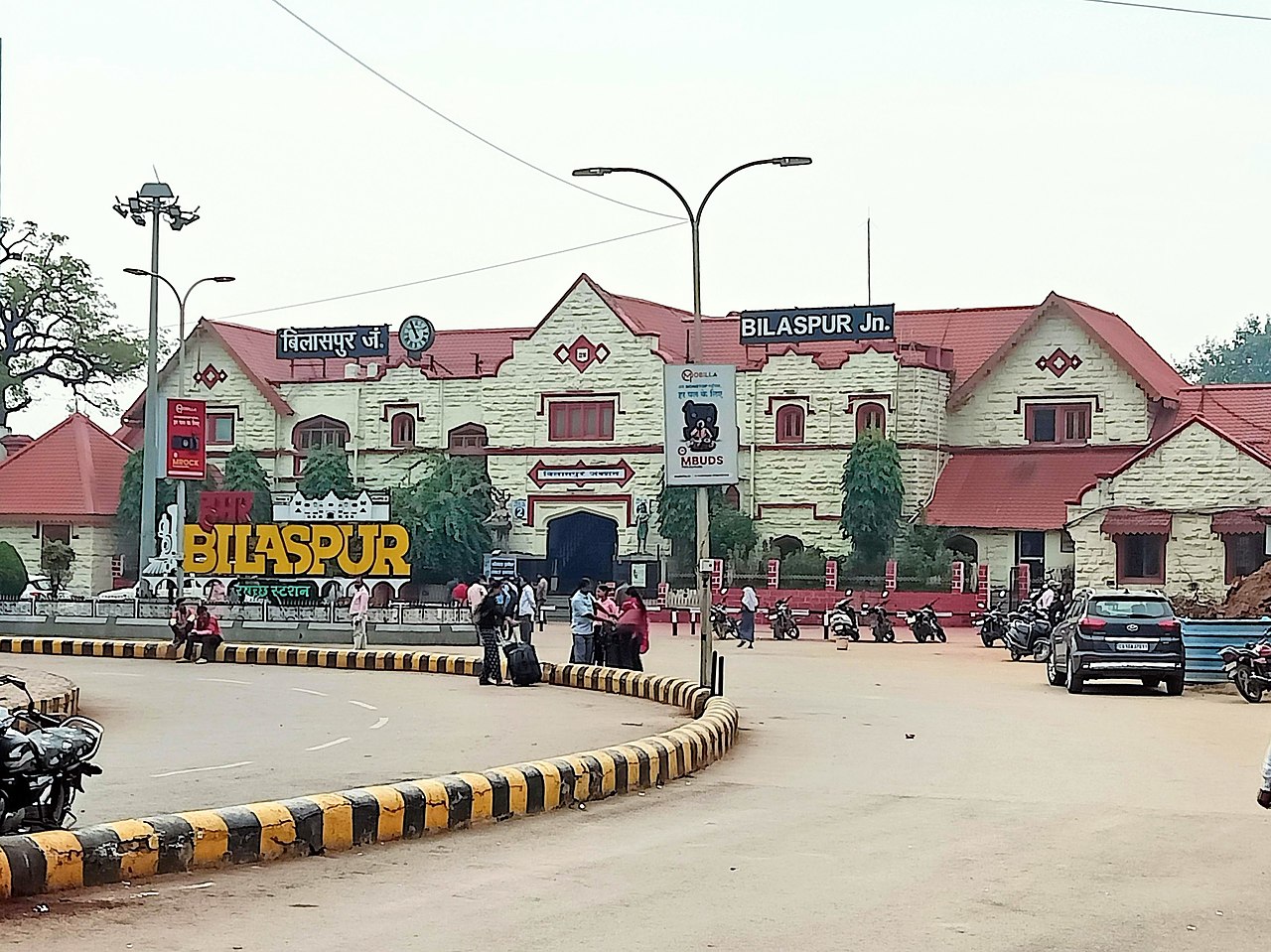 Bilaspur (Chhattisgarh) : 03 APR - 05 APR 2026
 Doda (Jammu and Kashmir) : 17 APR - 19 APR 2026
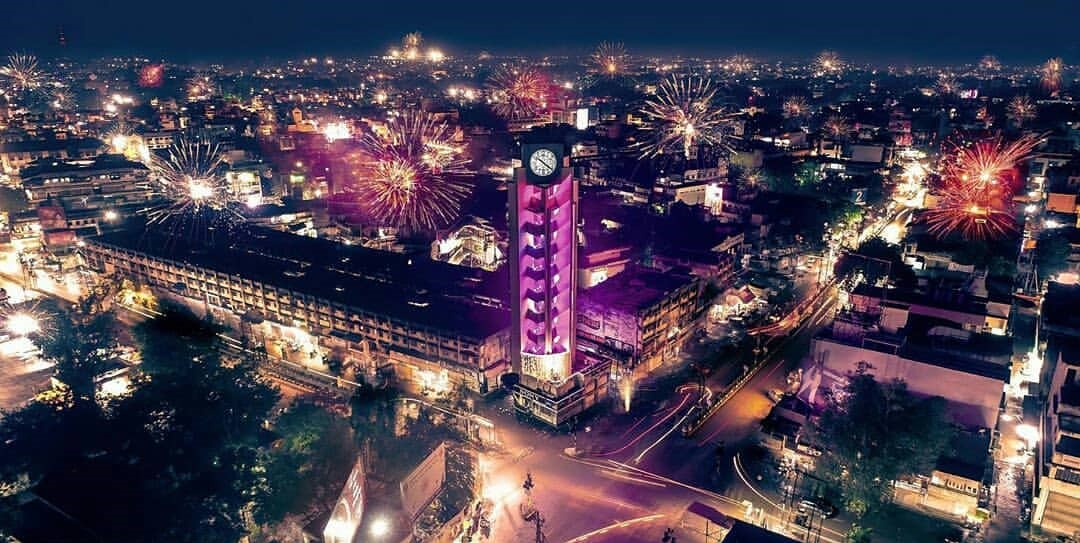 Jalgaon (Maharashtra) : 24 APR - 26 APR 2026
 Bijapur (Karnataka) : 29 APR - 01 MAY 2026
SCHOOL SCOLIOSIS SCREENING PROGRAMME
(SSSP)
Early Detection. Timely Care. Healthier Spines for Children.
The School Scoliosis Screening Programme (SSSP) by The Spine Foundation is a preventive public health initiative designed to identify spinal deformities in children at an early stage, enabling timely intervention and better long-term outcomes.
By partnering with schools, teachers, and families, the programme aims to build awareness, ensure early referrals, and protect the spinal health of children during their most critical growth years.
Understanding Spinal Deformities
What is Scoliosis?
Scoliosis is a sideways (lateral) curvature of the spine with a Cobb’s angle greater than 10 degrees. If undetected, it can progress silently during growth spurts.
What is Kyphosis?
Kyphosis refers to an excessive forward rounding of the back, causing abnormal curvature in the antero-posterior direction.
Both conditions are common in growing children and adolescents and often go unnoticed without structured screening.

Objectives of the Programme
The School Scoliosis Screening Programme is built around four core goals:
Early identification of spinal deformities in school-going children
Prevention of progression through timely intervention
Awareness and sensitisation of families and school communities
Improvement of overall spinal health and long-term well-being

Who Is Screened?
Children aged 6 to 16 years, studying from 1st to 10th standard, are included in the screening programme.
Screening Process
Who Conducts the Screening?
Screening is carried out by school teachers who are trained as part of the programme.
How Screening Is Done
Visual inspection of the spine
Adam’s forward bending test
Use of a scoliometer

Treatment Approach
Exercise
Exercises do not affect curve progression but are used to maintain muscle tone.
Bracing
Bracing is advised for children with a Cobb’s angle between 20 and 40 degrees.
Operative Treatment
Surgical treatment is considered for curves with a Cobb’s angle greater than 40–50 degrees.
Types of surgery include:
- Harrington system
- Hartshill instrumentation with sublaminar wiring
Anterior and posterior instrumentation with pedicle screws
Programme Implementation
A municipal school was identified near the RSCC Centre at V. N. Desai Hospital
Teachers were educated about scoliosis and the need for screening
Training sessions were conducted on identifying spinal deformities and using the scoliometer
Students with suspected deformities were examined by spine surgeons from The Spine Foundation
Further imaging investigations were carried out where required

Teacher Training
Training sessions were conducted to educate teachers on:
Identifying spinal deformities
Conducting screening
Using the scoliometer correctly
Screening in Progress
School-based screening was carried out as part of the programme.
Results
Results of the screening programme were documented.
| SNO | Name of the school | Boys | Girls | Total screened | Children with suspected deformity | ||||
|---|---|---|---|---|---|---|---|---|---|
|
1 |
Mumbai Public School, Santacruz East
|
461 |
508 |
969 |
None |
||||
|
2 |
Mumbai Public School, Kalina
|
155 |
139 |
294 |
None |
||||
|
3 |
Mumbai Public School, Shastri Nagar
|
793 |
807 |
1546 |
None |
||||
|
– |
Total
|
1409 |
1454 |
2863 |
None |
||||